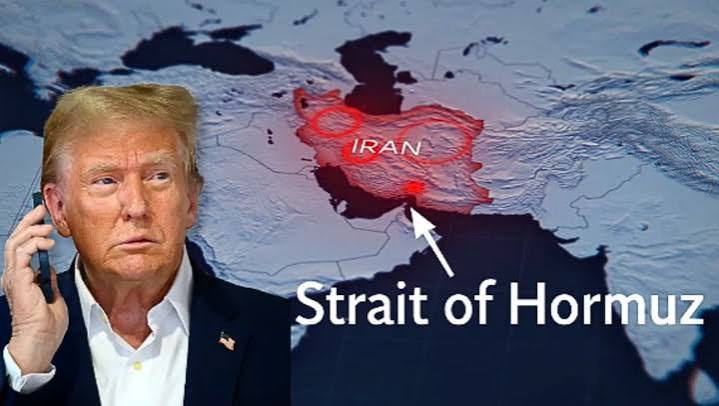
The conflict between Iran and the United States has sharply escalated, with both sides carrying out their most significant wave of attacks on shipping since the six-month-old war began.
Iran’s Islamic Revolutionary Guard Corps says it attacked ten vessels near the strategically vital Strait of Hormuz, including two U.S. vessels and eight oil tankers, following American strikes that destroyed five Iranian oil tankers.
The U.S. military says the five tankers were targeted after Iranian forces attempted to strike an American warship with ballistic missiles on two occasions.
Washington says the vessels were linked to Iran’s Islamic Revolutionary Guard Corps and that their crews were warned to abandon ship before the strikes.
Iran has also fired ballistic missiles at a U.S.-used military base near Al Azraq in Jordan. Jordan says its air defences intercepted 18 of 20 missiles, with the remaining two landing in unpopulated areas and causing no casualties.
The escalation is sending fresh shockwaves through global energy markets. Brent crude has risen above 100 dollars a barrel, its highest level since July, amid growing fears that continued fighting could further disrupt oil supplies and maritime trade.
Shipping through the Strait of Hormuz has also fallen sharply. Preliminary data shows only six commodity vessels crossed the waterway on Tuesday, well below the recent average, underscoring the growing risks facing commercial shipping through one of the world’s most important energy corridors.
The crisis is being compounded by renewed fighting involving Iran-backed Houthi forces in Yemen and Saudi Arabia, with attacks on Saudi territory and energy infrastructure adding another layer of uncertainty to oil supplies and regional security.
With military and economic pressure intensifying across the Gulf, fears are growing that further attacks could disrupt global energy markets and push already elevated fuel and transport costs even higher.